guide
How to Get Cosplay Sponsorships
How to get cosplay sponsorships: what wig, fabric and tool brands look for, how to pitch with a media kit, and contract points to settle first.
Written by Sophia Brecht Published Last updated
How to get cosplay sponsorships comes down to three things: an audience a brand wants to reach, a clear pitch showing what you will do for them, and terms agreed in writing. Most deals start as free product, such as a wig or fabric, in return for posts. Paid fees come later and are negotiated one by one. We found no public rate data for any of them.
Who sponsors cosplayers?
Companies whose products a cosplayer uses on every build. That means wig makers, fabric and foam suppliers, tool and craft brands, lens and makeup companies, 3D-print and prop makers, and clothing or accessory shops. Convention organisers and online shops also run ambassador or affiliate schemes. Wig supplier Milano Wigs and cosplay shop First Stop Cosplay both publish affiliate pages, which we saw on 23 November 2026.
An affiliate link is the simplest form of sponsorship: you share a link and may earn a share of sales that come through it, with no fee up front. The terms are the brand’s, so read them before you sign up.
| Deal type | What the brand gives | What you give | Watch for |
|---|---|---|---|
| Gifted product | A wig, fabric, tool | A post, a review or a build | Value of the product against hours you spend |
| Affiliate or ambassador code | A link or discount code and a share of sales | Posts that carry the link | Payout threshold, how long a click counts, who owns the code |
| Paid post or campaign | A fee | A set number of posts or a video | Usage rights, exclusivity, deadlines |
| Event or booth sponsorship | Travel, a table, a stipend | Presence, content from the event | Who covers costs if the event falls through |
How to get cosplay sponsorships in six steps?
- Pick brands you already use. A pitch from someone who buys the product reads as honest. A pitch to a brand you have never touched reads as a mass mail.
- Show your numbers. A one-page media kit with followers per platform, average views, where your audience lives and your best three posts lets a brand check fit quickly. Use your own analytics and date them.
- Pitch a specific piece of work. “A 60-second styling video of your wig on an armoured knight build” beats “I would love to collaborate.”
- Start small. Ask for product for one post. A brand that sees the post perform has a reason to say yes again.
- Agree terms in writing. Cover the deliverables, the dates, whether you are paid, who may reuse your images and for how long.
- Report back. Send the brand the results after a post: views, saves, link clicks. Renewals depend on that.
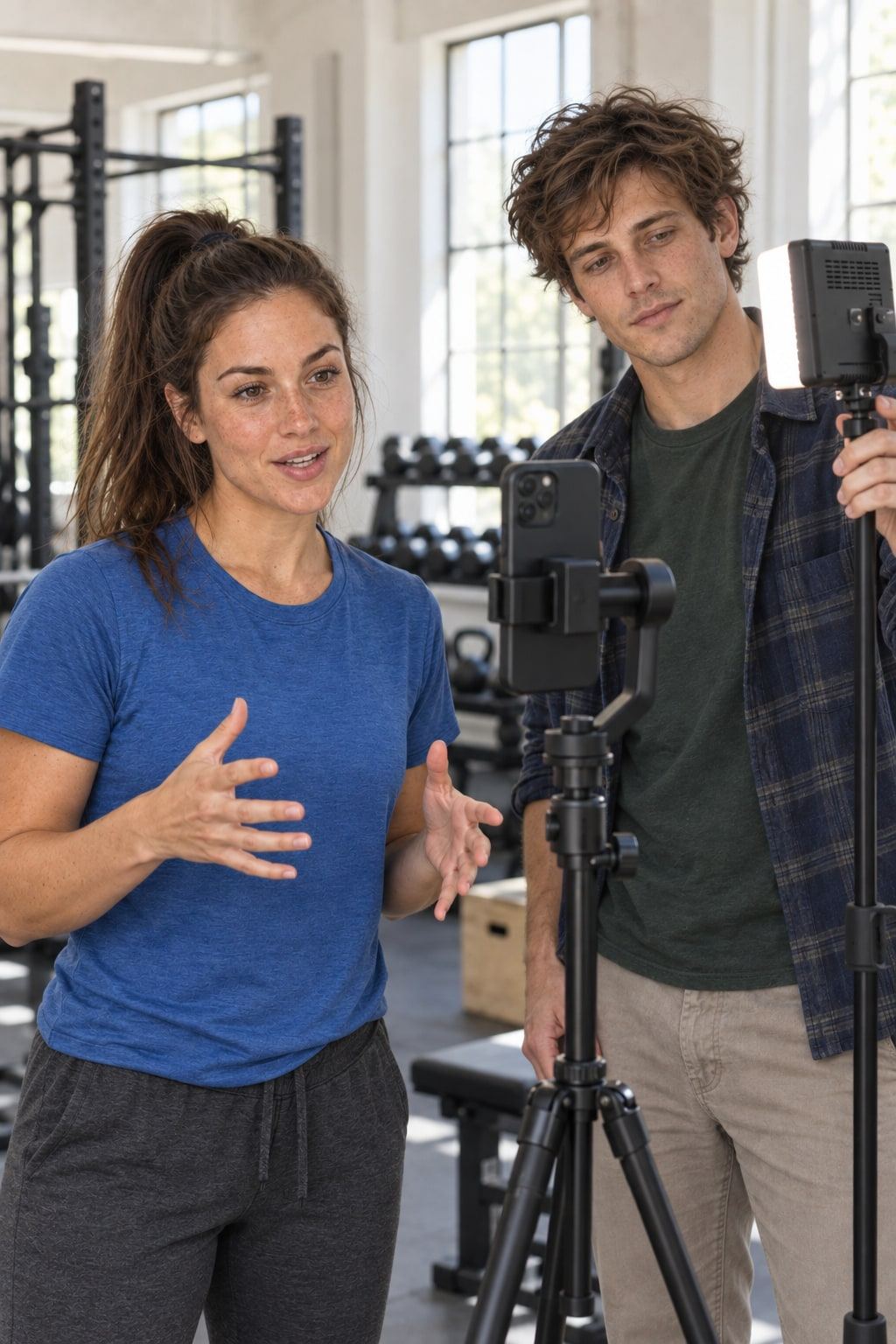
What do brands look for in a cosplayer?
They look for a match between the product and the audience, consistent posting and content they are comfortable next to. A brand-safe feed matters for the brand’s side of any deal, so a sponsor will look at everything on your public profiles. Build the safe-for-work side of your promotion on purpose: the free feed is where a brand meets you, and where your subscription page meets new fans. Our marketing service plans that side of a creator’s promotion to each platform’s content rules.
Wig sponsorship is a common first deal because wig brands depend on styled photos and tutorials, and they supply their product to creators who make both. We have no source for any particular brand’s selection rules, so ask each brand what it needs.
What should you check in a sponsorship contract?
Check what each clause lets the brand do with your work and what it stops you doing.
- Deliverables and deadlines, in numbers.
- Payment: fee, product or both, and the date.
- Usage rights: where the brand may reuse your photos and for how long.
- Exclusivity: whether you may work with competing brands during or after the deal.
- Disclosure: many places require paid or gifted posts to be labelled as such, so check the advertising rules where you live and the platform’s own rules.
- Rights in the work: if the post shows a copyrighted or trademarked character, a sponsor’s fee does not change who owns it. Commentary from IPOsgoode (20 December 2021) says characters are protected even where costumes may not be, and rights holders have sent cease-and-desist letters over products made from cosplay (Kotaku). None of that is legal advice. Read our copyright guide and ask a lawyer about a large deal.
Are sponsorships a reliable income?
No. A deal ends when a campaign does, and many brands pay in product, so sponsorships are better as a supplement than a base. We found no public rate data for cosplay sponsorships, so we give no fee figures. The guide to getting paid to cosplay sorts which routes pay cash and which do not, and how to become a professional cosplayer covers the audience-building that sponsorship rests on.
Prints sold alongside sponsored work have their own rights questions, covered in selling cosplay prints.
questions
Frequently asked questions
How do I get cosplay sponsorships?
Pitch brands whose products you already use, such as wig makers, fabric suppliers and tool brands. Send a one-page media kit with dated audience figures, propose one specific piece of work, and start by asking for product in return for a post. Put deliverables, payment, usage rights and exclusivity in writing. We found no public rate data, so expect negotiation, not a price list.